Indoor Garden Kits for Small Spaces
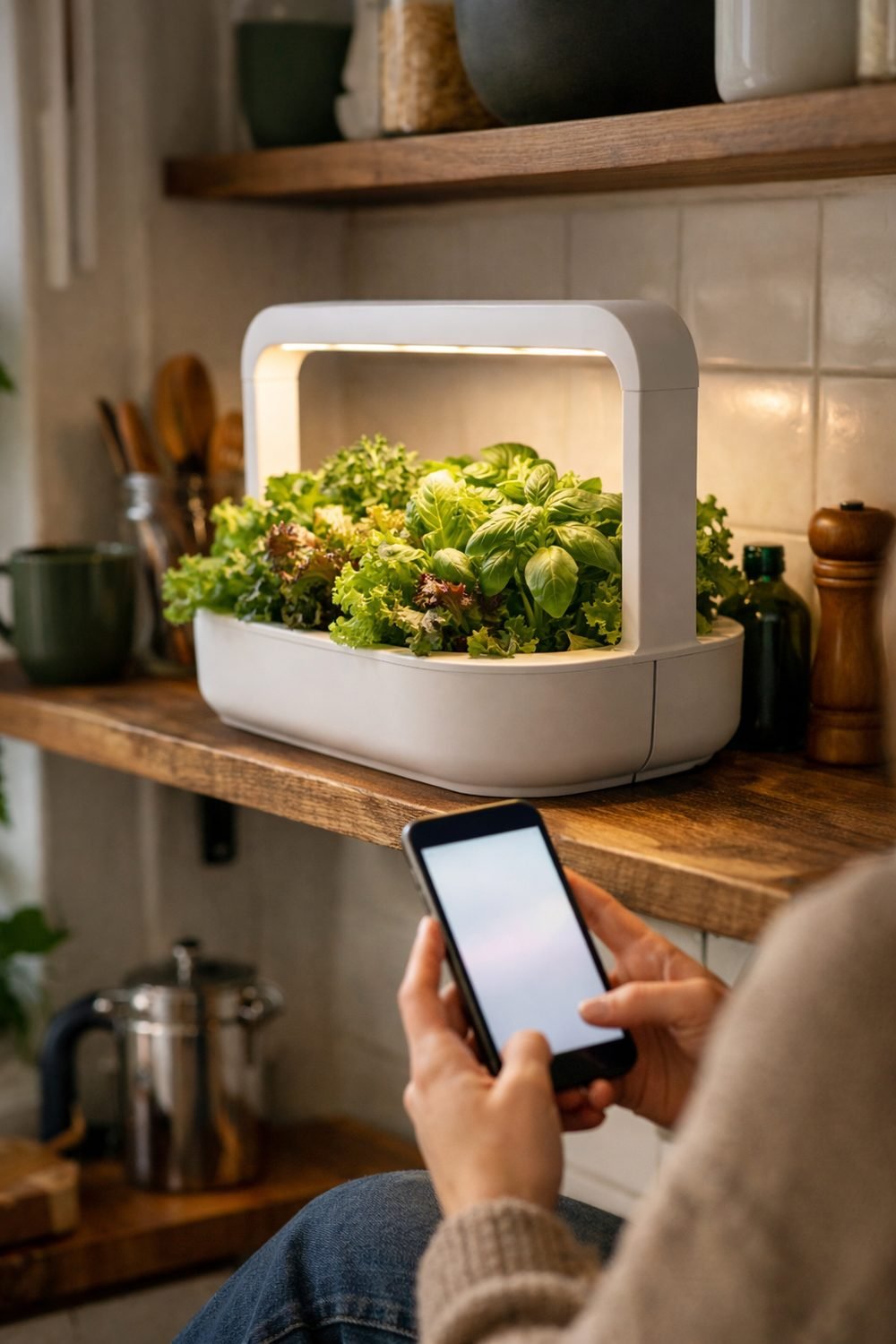
If you've ever bought a bunch of fresh basil, used two leaves, and watched the rest turn black in the fridge, you already know why people get curious about growing their own. A garden indoor kit lets you grow herbs or small greens on a shelf, a counter, or a windowsill, even if you live in a tiny apartment with no balcony. The trick is picking one that actually fits your home and your habits. Here's how to do that without wasting money.
Measure Before You Shop
This sounds obvious, but it's the step most people skip. They see a sleek kit online, picture it on the kitchen counter, and then find out it blocks the outlet or won't fit under the cabinets.
Grab a tape measure and check three things: width, depth, and height. Height is the sneaky one. Plants grow up, and many kits with lights have an arm or pole that rises as the plants get taller. So the kit might be short when it arrives but need a lot more room a few weeks later.
A few spots that often work well in small homes:
- The end of a kitchen counter, away from the sink splash zone
- A sturdy bookshelf with an outlet nearby
- The top of a low dresser or sideboard
- A wide windowsill, if the kit is small and light
Think about cords, too. A kit that needs power should sit close to an outlet so you're not running an extension cord across the room. And leave a little space around it so you can reach in to trim and water without knocking things over.
Light: The Part That Makes or Breaks It
Plants need light. That's the simple truth, and it's where many indoor gardens fail.
Kits with a built-in grow light work well in darker rooms, like a kitchen that faces north or a corner far from the window. The light does the job the sun would normally do. You can put the kit almost anywhere, as long as there's power.
Kits without a light are usually cheaper and simpler. They're basically nice pots with good drainage. But they need a bright, sunny window, and in winter, even a sunny window may not be enough for some herbs. If your home is on the dim side, a kit without a light will probably leave you with tall, floppy, pale plants.
Here's an honest opinion: if you're unsure about your light, lean toward a kit with a grow light. It takes one big guess out of the process. A good test is to look at your window spot at noon. If you'd need a lamp to read a book there, your herbs will struggle too.
Soil or Water? How the Watering System Works
Indoor gardening kits usually fall into two groups.
Soil-based kits
These feel familiar. You get pots, soil or a growing mix, and seeds. You water by hand when the top of the soil feels dry. They're forgiving in some ways, because soil holds moisture for a while. The downside is that it's easy to overwater, and soil can be a little messy on a kitchen counter.
Water-only kits
Water-based kits (often called hydroponic) grow plants in a small pod that sits over a tank of water. Many have a little pump that moves the water around. They're clean, and plants often grow quickly in them.
But they aren't "set it and forget it." You'll need to check the tank regularly and top it up, and many systems ask you to add plant food to the water. If you travel a lot or tend to forget chores, a big tank helps. A small tank might run low in just a few days once the plants are larger.
Neither type is better for everyone. If you like the hands-on feel of soil, go with that. If you want something tidy and don't mind a weekly tank check, water kits are a solid choice. Speaking of weekly routines, our free Weekly Cleaning Checklist can help you fit a quick tank check in with the rest of your household jobs.
Seed Pods or Your Own Seeds
Many of the popular kits use pre-filled seed pods. You drop a pod in, add water, and wait. It's very beginner-friendly, and that's a real plus.
The catch is what happens later. Some kits only work well with pods from the same maker. Once your first batch is done, you'll need to buy more. Before you buy, look at the seller's page and check:
- What refill pods cost and how many come in a pack
- Whether you can use your own seeds with a blank or "grow anything" pod
- Which plants are offered, and whether they're ones you'd actually eat
A common mistake is falling for a kit because of the starter pack, then realizing the refills cost more than you expected over a year. If you'd rather buy cheap seed packets from a garden center, a kit that accepts your own seeds will feel much more flexible.
What You Can Actually Grow
A small indoor herb garden kit is the easiest place to start. Basil, parsley, mint, chives, and cilantro are common choices. They're quick, they're useful, and you can snip a little at a time.
Leafy greens like lettuce and baby spinach also do well in many kits. An indoor vegetable garden kit might promise cherry tomatoes or peppers, and some can grow them, but these plants need more light, more room, and more time. They're fun, but they're not where most beginners should start.
You might also see indoor living wall kits, which hold plants in panels on a wall. They look lovely and save floor space. Just know that they're usually more about decorative houseplants than food, and watering a vertical setup takes some practice. For a first try, a counter kit is simpler.
If you want help deciding what to plant and when, the Beginner Garden Planner and Planting Calendar below this post lays out a simple plan you can follow.
Noise, Power, and Timers
Grow lights and pumps use some electricity. It's usually not a lot for a small kit, but check the seller's page for details on power use if that matters to you.
Timers are worth paying attention to. Most kits with lights turn on and off on their own, often running many hours a day. If the kit lives in your living room or a studio apartment, a bright light at 10 p.m. might bug you. Look for a kit that lets you change the schedule, not one that's stuck on a fixed setting.
Pump noise is another thing people don't think about until it's too late. Some pumps hum quietly. Others make a soft gurgle that's easy to tune out in a kitchen but annoying next to a bed. Reviews from other buyers can give you a sense of this, so read a few before you decide.
Finding the Best Indoor Garden System for You: Start Small
People often ask what the best indoor garden system is. The honest answer is that it depends on your space, your light, and how much fuss you're willing to handle. There isn't one winner.
What does help is starting small. A kit with three or four plant spots is a good test. You'll learn how often you really water, how much you actually cook with fresh herbs, and whether you enjoy the routine. If you love it, you can move up to a bigger setup later. If you don't, you haven't lost much.
Big kits with a dozen pods look impressive, but they can feel like a lot if you only use a pinch of parsley now and then. For example, a couple who cooks a few nights a week might be happier with four herbs they use often than twelve plants growing faster than they can eat.
FAQ
Is an indoor herb garden kit good for beginners?
Yes, many are made with beginners in mind. Kits with a built-in light and pre-filled pods remove a lot of the guesswork. Start with easy herbs like basil or chives.
Do I need a sunny window?
Only if your kit doesn't have a grow light. Kits with lights can work in darker rooms, as long as there's an outlet nearby. Without a light, you'll want a bright window that gets several hours of sun.
How often do I need to water?
It depends on the kit and the size of the plants. Soil kits usually need water when the top feels dry, while water-based kits need tank checks. Bigger plants drink more, so you'll likely check more often as they grow.
Can I use my own seeds?
Some kits allow it and some don't. Check the seller's page for blank pods or notes about using other seeds. This can save you money over time.
Quick Summary
Measure your space, including height. Be honest about your light, and choose a grow light if you're unsure. Decide between soil and water based on how much checking you want to do. Look at refill costs before you buy, and pay attention to timers and noise. Then start with a small kit and see how it fits your life.
If you're ready for a next step, grab the free Weekly Cleaning Checklist by joining the email list, so plant care slips easily into your weekly routine. Then take a look at the products below this post. The Beginner Garden Planner and Planting Calendar can help you plan what to grow, and the Houseplant Care Tracker and Beginner Plant Guide makes it easier to keep your new plants happy.
Printables and tools that can help
Beginner Garden Planner and Planting Calendar
Local dates, goals, a grow-first checklist, a 12-month planting calendar and...
See detailsHouseplant Care Tracker and Beginner Plant Guide
A beginner plant guide, plant profiles, watering, feeding and repotting logs, a care calendar and problem...
See details