Home Energy Checkup Help as a Local Service: Is It for You?
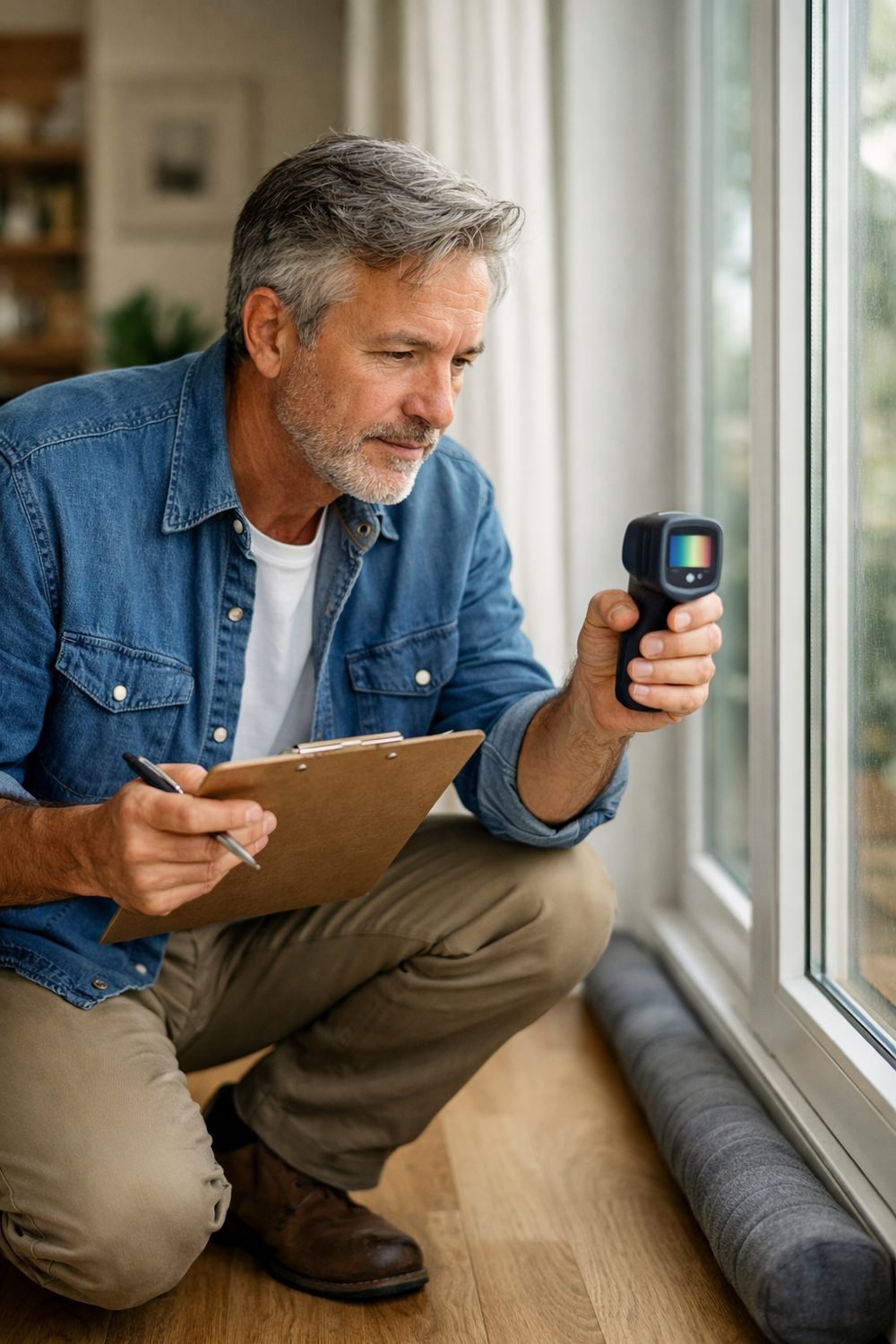
Lots of people are curious about where their power goes. They notice a high bill, hear a fridge humming all night, or feel a cold draft by the back door. That's why some handy, eco-minded folks start offering simple home energy checkups to neighbours. You walk through the house with a checklist, point out easy fixes, and maybe show the owner how a home energy monitor can help them see their use day to day. It can be a nice small local service. But before you print flyers, there are a few things worth thinking through.
This post covers what this kind of help is (and isn't), the rules and risks to check, how to keep the visit simple, and how to think about pricing. It's written for people who like helping others save energy and want to do it in a careful, honest way.
Be Clear About What You're Offering
A friendly checklist visit is not a certified energy audit. That one line should be on your flyer, your website, and in your first conversation with every customer.
A professional audit can involve special tools, training, and formal reports. Some local programs only accept results from certified auditors. If you're offering a walk-through with a clipboard and a good eye, say exactly that. People don't mind a simple service. They mind feeling misled.
Try wording like this: "I'll walk through your home with a checklist, point out common energy wasters, and give you a short list of easy changes. This is not a certified audit, and I don't do electrical, gas or building work." Plain, honest, and it sets you up well if a customer later wants a full audit.
A common mistake is using words like "inspection" or "assessment" loosely. In some places those words carry legal meaning. Stick to "checkup," "walk-through," or "energy tips visit."
Check the Rules Where You Live
Rules are different from town to town and country to country. Some areas need a business licence for any paid service. Some need a specific licence for anything that touches energy work, even advice. Others may limit how you describe yourself.
Before you offer anything, it's worth calling your local council or city office and asking what applies to a small home visit service. You might also check with a local small business help centre if your area has one. If anything is unclear, ask a professional who knows local law. It's a short phone call now versus a big headache later.
Also think about privacy. You'll be inside people's homes and may see bills or account details. Decide ahead of time what you'll write down, how you'll store it, and when you'll throw it away.
Keep the Visit Simple and Useful
The best version of this service is small and practical. You're not rebuilding anyone's house. You're helping them notice things they walk past every day.
A typical checklist might cover:
- Drafts around doors, windows and attic hatches (you can test with a strip of tissue paper)
- Old bulbs that could be swapped for LEDs
- Devices left on standby, like game consoles, printers and TV boxes
- Timers on heating, water heaters or outdoor lights
- Fridge and freezer settings, plus dusty coils
- Habits, like running half-empty dishwashers or drying clothes on high heat
For example, a family with two kids might find that the playroom TV, a gaming setup and a spare fridge in the garage are all running around the clock. Nobody meant to waste power. They just never looked. Pointing that out, kindly and without judgment, is the whole value of your visit.
Keep your report short. One page is plenty. A list of five easy changes is more likely to get done than a list of thirty.
If you like checklists as much as most people offering this service do, our Free Weekly Cleaning Checklist is a handy one to grab from the sign-up box, since cleaning coils, vents and filters is part of keeping a home running well.
Where a Home Energy Monitor Fits In
This is where many customers get excited. A smart home energy monitor shows how much power the home uses, often in close to real time. Some people find it a lot easier to change habits when they can see the numbers go up when the kettle goes on.
There are a few common types you might talk about:
Whole-home monitors
These usually connect at the electrical panel. Some homeowners already have one, such as a Vue smart home energy monitor, and just never learned to read the app. Looking through it with them can be a great part of your visit. But installing anything inside the panel is electrician work, so don't do it yourself. Refer that out.
In home display units
An in home display energy monitor is a small screen that shows current use. In some areas these come from the power company. If a customer has one sitting in a drawer, help them set it up somewhere they'll see it, like the kitchen counter.
Smart plugs and home automation
For people who like tech, a home assistant energy monitor setup can pull data from different devices into one dashboard. A home assistant smart plug energy monitor is a simple starting point: plug in a space heater or dehumidifier and see what it really costs to run. These are low risk because they just plug into the wall, but you should still point people to the maker's instructions rather than setting up their network yourself.
Honest opinion: don't push gadgets on everyone. Plenty of homes save more by fixing a leaky door and turning off a garage fridge than by buying a monitor. Suggest one when the customer is clearly curious about their numbers.
Setting a Fair Price
There's no single right price. Start by looking at what similar local services charge, like handyman visits or home organizing sessions. Then think about your real time.
A one-hour walk-through might actually take you two or three hours once you count travel, writing the report and answering follow-up texts. Price for the full time, not just the hour in the house.
Some people offer a low first price to neighbours to build word of mouth. That's fine, just be clear about what it includes. Others offer a free short phone chat first so people know what to expect. Avoid promising savings amounts. You can't know what someone will save, and claiming numbers you can't back up will cost you trust.
Ask About Insurance Before You Visit Homes
Walking into other people's homes carries risk. You might trip on stairs, knock over a lamp, or get blamed for something that broke after you left. Before your first paid visit, talk to an insurance agent about what kind of cover makes sense for a small home visit service in your area.
Bring a written description of exactly what you do and don't do. That helps the agent give you a clear answer. It also helps you stick to your limits later.
Know When to Refer Out
Your job ends where skilled trade work begins. Wiring, panels, gas lines, furnaces, insulation removal, roof work and anything structural should go to qualified people.
Build a short list of local electricians, heating techs and insulation companies people speak well of. When you spot something beyond a checklist, like a scorched outlet or a gas smell, say so clearly and tell the owner to call a pro. For anything that seems unsafe, encourage them to contact the right service right away.
Referring out isn't a weakness. It's what makes people trust your advice. Some local trades may even send customers your way if they know you're careful.
Read the Offer Page Before Buying Tools
Once you decide to try this, you'll see plenty of tools for sale: website templates, booking apps, lead systems and more. Before you sign up for anything, read the offer page closely. Check what's included, what it costs after any trial, and the seller's current terms.
If you want a simple online presence, there are two kits on this site that are listed below this post: the Local Solar and Energy-Audit City Landing Page Kit and the Solar-Ready Agent Website and Lead Funnel Kit. They're there if they fit what you're building. Read their pages first and decide if they match your plans. You don't need them to start; a flyer and a few happy neighbours work too.
FAQ
Do I need special training to offer a home energy checkup?
For a simple checklist walk-through, many people start with self-study and common sense. But rules vary, so check with your local council about licences. If you want to offer formal audits, look into proper certification.
Should I recommend a specific home energy monitor?
It's better to explain the types and let the homeowner choose. Suggest they read the maker's page and check that it works with their home. Panel-mounted models should always be installed by an electrician.
Can I promise people they'll save money?
No. Savings depend on the home, the habits and local rates. You can say what changes often help, but leave out numbers you can't back up.
What if I find something dangerous?
Stop, tell the homeowner clearly, and recommend they contact a qualified professional right away. Don't try to fix it yourself. Note it in your report so there's a record.
Summary
A home energy checkup service can be a kind, useful way to help neighbours cut waste. Keep it simple, be honest that it isn't a certified audit, check local rules and insurance, and pass trade work to the pros. Price for your real time and skip any promises about savings.
Your next step: grab the Free Weekly Cleaning Checklist from the sign-up box so you've got a handy habit tool for yourself and your customers. Then take a look at the kits below this post and read their pages to see if one suits the service you have in mind.
Printables and tools that can help
Local Solar and Energy-Audit City Landing Page Kit
Offer copy, FAQ, scope sheet, intake questionnaire, SOP, checklists, city page skeleton, templates and...
See detailsSolar-Ready Agent Website and Lead Funnel Kit
A website plan, copy templates, lead magnet outline, 5 emails, consent checklist and...
See details